
Are you aware that choosing the wrong mortgage lender can cost you thousands of dollars in unnecessary fees and higher interest rates?
With so many lenders available, comparing them can be overwhelming. However, making an informed decision is crucial when selecting a lender for your home loan.
In today’s digital age, comparing lenders has become easier. You can now research and compare various lenders from the comfort of your own home.
This ease of comparison allows you to make a more informed decision, potentially saving you money and stress in the long run.
Key Takeaways
Table of Contents
- Understand the importance of comparing lenders
- Learn key factors to consider when evaluating lenders
- Discover the best websites for comparing mortgage lenders
- Find out how to save money by choosing the right lender
- Get tips on making an informed decision when selecting a lender
Why Comparing Mortgage Lenders Matters
The decision on which mortgage lender to use is more important than you might think, affecting both your monthly payments and long-term financial health. With so many lenders offering mortgage products, comparing them is crucial to finding the best fit for your financial situation.
When you compare mortgage rates online, you’re not just looking at interest rates; you’re evaluating a range of factors that can impact your mortgage experience. Using a mortgage lender comparison tool can simplify this process, providing a clear overview of what’s available in the market.
The Financial Impact of Your Lender Choice
Your lender choice has a significant financial impact, primarily through the interest rate and terms offered. Even a small difference in interest rates can result in substantial savings or additional costs over the life of the loan.
Potential Savings Over the Life of Your Loan
For instance, on a $200,000 mortgage, a 0.5% difference in interest rate can save you over $50,000 in interest payments over 30 years. This demonstrates the potential long-term benefits of securing a competitive rate through thorough comparison.
Impact on Monthly Payments
The lender you choose also affects your monthly mortgage payments. A lower interest rate or more favorable loan terms can reduce your monthly outlay, freeing up income for other expenses or savings. Conversely, a less favorable deal can strain your budget.
Beyond Interest Rates: What’s at Stake
While interest rates are a critical factor, they’re not the only consideration when choosing a mortgage lender. Other aspects, such as customer service and loan processing efficiency, play a significant role in your overall experience.
Customer Service Considerations
Good customer service can make a significant difference, especially if you encounter issues during the loan process. Look for lenders that offer responsive and helpful service to ensure a smoother experience.
Loan Processing Efficiency
Efficient loan processing is also crucial, as delays can impact your ability to purchase or refinance a home. Lenders with streamlined processes can provide a more reliable and timely experience.
| Lender | Interest Rate | Customer Service Rating | Loan Processing Time |
|---|---|---|---|
| Lender A | 3.5% | 4.5/5 | 30 days |
| Lender B | 3.7% | 4.8/5 | 25 days |
| Lender C | 3.3% | 4.2/5 | 35 days |
Essential Factors to Consider When Comparing Mortgage Lenders
To make an informed decision, it’s essential to consider various factors when comparing mortgage lenders. This involves evaluating several key elements that can significantly impact your mortgage experience.
Interest Rates and APR Explained
Interest rates and Annual Percentage Rate (APR) are crucial factors in determining the cost of your mortgage. The interest rate is the percentage of your loan amount charged by the lender, while APR includes additional fees and costs.

Loan Terms and Options
Loan terms and options vary among lenders, offering different benefits. Understanding these differences is vital for choosing the right mortgage.
Fixed vs. Adjustable Rate Mortgages
Fixed-rate mortgages offer stable monthly payments, while adjustable-rate mortgages can fluctuate based on market conditions. Choosing between them depends on your financial goals and risk tolerance.
Conventional vs. Government-Backed Loans
Conventional loans are not insured by the government, whereas government-backed loans, such as FHA and VA loans, offer more lenient credit score requirements and lower down payments.
Fees and Closing Costs
In addition to interest rates, fees and closing costs can significantly impact your mortgage expenses. Understanding these costs is crucial for an accurate comparison.
Origination Fees
Origination fees cover the lender’s costs for processing your loan. These fees can vary significantly between lenders.
Other Hidden Costs
Other costs, such as appraisal fees, title insurance, and credit report fees, can add up. Being aware of these costs helps in making a more informed decision.
How to Compare Mortgage Lenders Online: A Step-by-Step Guide
The process of comparing mortgage lenders online can be simplified by following a step-by-step approach. This guide will walk you through determining your mortgage needs, gathering financial documents, and researching multiple lenders.
Step 1: Determine Your Mortgage Needs
Understanding your mortgage needs is the first step. Consider the type of property you’re purchasing, your budget, and the loan term that suits you best. For instance, are you looking for a fixed-rate or adjustable-rate mortgage? Knowing this will help you narrow down your options.
Step 2: Gather Your Financial Documents
Gathering your financial documents is crucial. You’ll need proof of income, credit reports, and identification to apply for a mortgage. Having these documents ready will streamline the application process.
Step 3: Research Multiple Lenders
Researching multiple lenders is key to finding the best deal. Use online resources to compare rates and terms. Look for lenders that offer competitive interest rates and favorable loan terms.
Creating a Comparison Spreadsheet
Create a spreadsheet to organize your findings. List lenders, interest rates, fees, and loan terms for easy comparison. This will help you visualize the differences between lenders.
Requesting Loan Estimates
Request loan estimates from several lenders. This will give you a detailed breakdown of the costs involved, allowing you to make an informed decision.
By following these steps, you can effectively compare mortgage lenders online and find the best mortgage for your needs. Utilize online tools, such as a mortgage comparison calculator, to simplify the process further.
Best Mortgage Comparison Websites and Tools
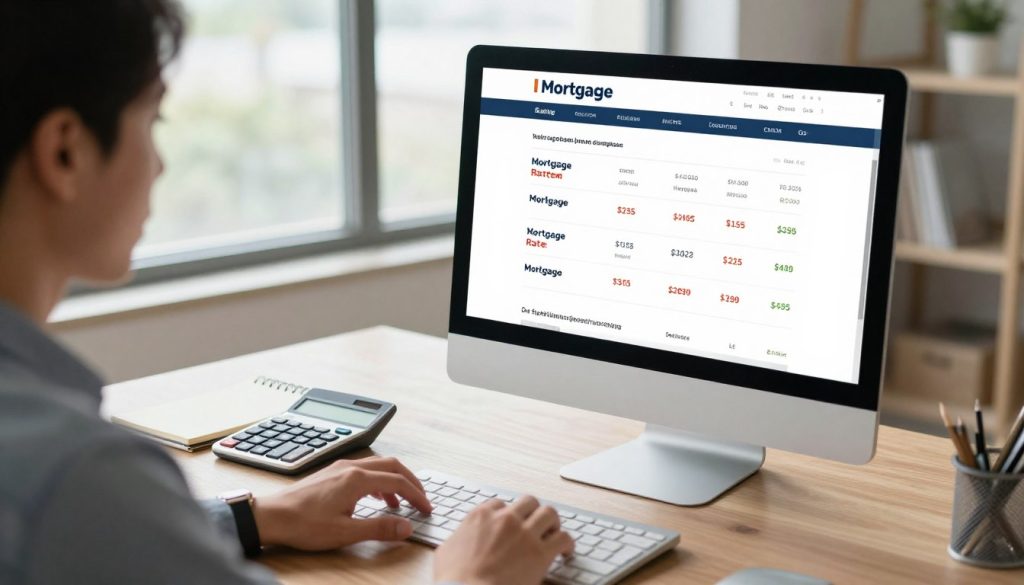
In the digital age, mortgage comparison websites have become invaluable resources for homebuyers. These platforms provide a comprehensive way to compare various mortgage lenders and their offerings.
Top Comparison Platforms Reviewed
Several websites stand out for their ability to facilitate mortgage comparisons. Bankrate and NerdWallet are known for their detailed reviews and comparison tools.
Bankrate and NerdWallet Features
Bankrate offers a robust mortgage comparison tool that allows users to compare rates across multiple lenders. NerdWallet, on the other hand, provides a user-friendly interface and detailed financial insights.
Zillow and LendingTree Capabilities
Zillow and LendingTree are other prominent players in the mortgage comparison space. Zillow offers a comprehensive mortgage marketplace, while LendingTree allows users to compare multiple loan offers.
Using Mortgage Comparison Calculators Effectively
Mortgage comparison calculators are powerful tools that can help you understand the financial implications of different mortgage options.
Input Data You’ll Need
To use these calculators effectively, you’ll need to have certain financial information readily available, such as your income, credit score, and the amount you’re looking to borrow.
Interpreting the Results
Once you’ve input your data, the calculator will provide you with a detailed breakdown of your mortgage options. It’s essential to carefully review these results to make an informed decision.
Mortgage Broker vs. Online Lender: Which is Right for You?
When it comes to securing a mortgage, one of the most critical decisions you’ll make is whether to work with a mortgage broker or an online lender. Both options have their advantages and disadvantages, which are discussed below.
How Mortgage Brokers Work
Mortgage brokers act as intermediaries between borrowers and lenders, offering access to multiple loan products from various lenders. They can provide personalized service and expert advice, helping borrowers navigate complex mortgage options.
Direct Online Lender Benefits
Online lenders, on the other hand, offer a more streamlined and often faster application process. They typically provide competitive interest rates and lower fees, making them an attractive option for tech-savvy borrowers.
Cost Comparison Between Options
The costs associated with mortgage brokers and online lenders vary. Brokers may charge fees for their services, while online lenders often have lower or no origination fees. However, it’s essential to consider the overall cost of the loan, including interest rates and other charges.
Ultimately, the choice between a mortgage broker and an online lender depends on your individual needs and preferences. By understanding the benefits and costs of each option, you can make an informed decision that suits your financial situation.
Traditional Banks vs. Online Mortgage Lenders
In the modern mortgage market, prospective homeowners must weigh the benefits of traditional banks against those of online mortgage lenders. This comparison is crucial for making an informed decision that aligns with one’s financial situation and preferences.
Pros and Cons of Online-Only Lenders
Online mortgage lenders have gained popularity due to their streamlined processes and competitive rates. Speed and convenience are significant advantages, allowing borrowers to apply for mortgages from the comfort of their homes.
Speed and Convenience Factors
The digital nature of online lenders means applications can be processed quickly, often with decisions made within days. This rapid processing is a significant draw for those looking to move quickly on a home purchase.
Potential Drawbacks
However, online lenders may lack the personal touch, and some borrowers might find the lack of face-to-face interaction a disadvantage. Additionally, the ease of online applications can sometimes lead to a lack of thoroughness in the application process.
When to Consider a Traditional Bank
Despite the rise of online lenders, traditional banks still have their advantages, particularly for those who value relationship banking or have complex loan situations.
Relationship Banking Benefits
Traditional banks offer the benefit of a pre-existing relationship, which can simplify the mortgage process. Borrowers may find that their bank is willing to offer more favorable terms or be more flexible with their requirements.
Complex Loan Situation Advantages
For borrowers with complex financial situations, traditional banks can provide a more personalized approach, often resulting in better outcomes for these individuals.

| Feature | Traditional Banks | Online Mortgage Lenders |
|---|---|---|
| Application Process | In-person, potentially lengthy | Online, streamlined |
| Interest Rates | Competitive, negotiable | Competitive, fixed |
| Customer Service | Personal, face-to-face | Digital, 24/7 |
Tips for Securing the Best Mortgage Rates Online
The key to securing the best mortgage rates online lies in understanding the factors that influence them. By being informed and strategic, you can navigate the online mortgage market effectively.
Improving Your Credit Score
A good credit score is crucial for securing favorable mortgage rates. Check your credit report regularly and work on improving it by paying off debts and making timely payments.
Timing Your Application
Timing is everything when applying for a mortgage. Apply when your financial situation is stable, and avoid making large purchases before or during the application process.
Negotiation Strategies
Negotiating with lenders can help you secure better rates. This involves using competing offers as leverage and being prepared with questions to ask lenders.
Using Competing Offers as Leverage
Having multiple offers allows you to negotiate. Don’t hesitate to use them to your advantage.
Questions to Ask Lenders
Prepare a list of questions for lenders, such as their rate lock policies and any additional fees.
Conclusion: Making Your Final Decision
After researching and comparing various online mortgage lenders, it’s time to make your final decision. Utilize the best mortgage comparison websites to review and contrast the lenders’ offers. Consider factors such as interest rates, loan terms, and fees to ensure you’re getting the best deal.
Reading online mortgage lender reviews can also provide valuable insights into other customers’ experiences, helping you make a more informed decision. By weighing your options carefully and using the information gathered, you can confidently choose a lender that meets your needs and financial situation.
Ultimately, taking the time to compare lenders and understand the terms of your mortgage can lead to significant savings and a more secure financial future. Make your final decision with confidence, knowing you’ve done your due diligence.